
You got a dental implant quote in Virginia Beach. Now you’re wondering if you’re being up-sold or about to overpay. Maybe the plan felt rushed, or the explanation didn’t quite add up. You left the office with a number in your head and a nagging feeling that you needed to hear it from someone else.
That feeling is worth listening to. Implants are a significant investment, financially, in your time, and in your body. A second opinion isn’t a sign of distrust. It shows you’re taking the decision seriously.
But a second opinion is only useful if you know how to use it. Here’s what to bring, what to ask, and what a good implant plan should actually include.
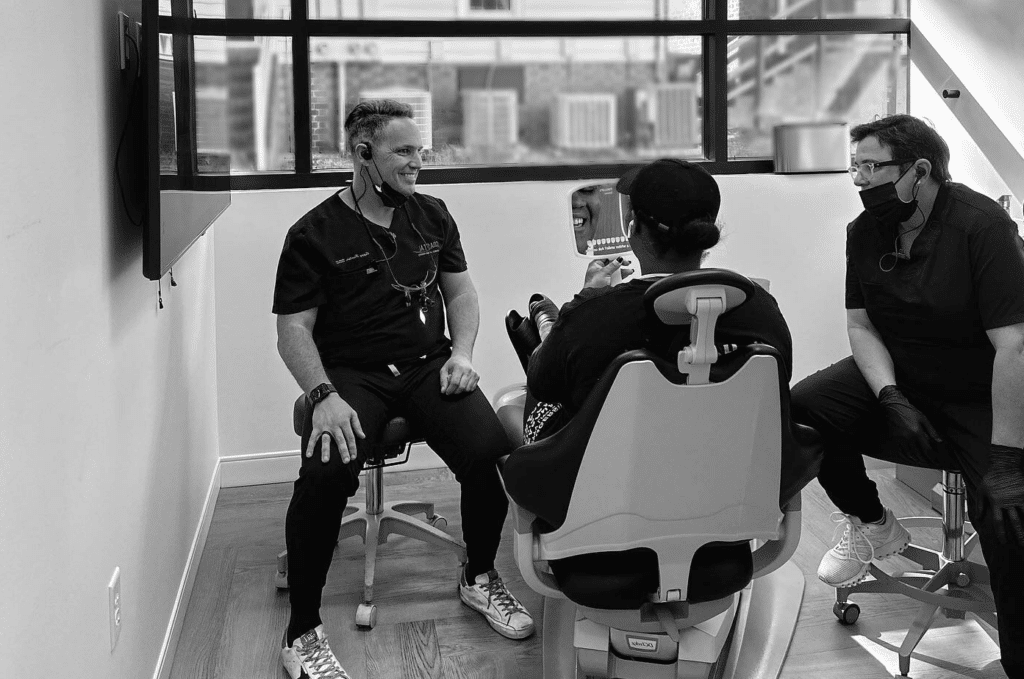
What to Bring to a Second Opinion Appointment
A Virginia Beach dentist evaluating your case without your records has less information than they need. The more information you bring, the more useful the second opinion will be. Bring with you:
- Your most recent X-rays or imaging. Most offices will provide copies on request. If you had a 3D scan or CBCT at the first office, ask for a copy of that too. The imaging is the foundation of any implant plan, and without it, the second dentist is guessing.
- The written treatment plan or quote you received. A second opinion isn’t just about whether implants are the right choice. It’s about whether your plan is complete and appropriate for you. The original quote lets the second dentist compare it line by line.
- A list of your medications and any relevant health conditions. Diabetes, autoimmune conditions, medications that affect bone healing, and smoking history all influence implant planning. Your dentist needs to know.
- Your questions. Write them down before the appointment. Visits go fast, and you can sometimes forget the question you meant to ask.
What to Ask During the Second Opinion
A good second opinion is a second set of eyes on the plan’s reasoning. Ask these questions:
- Does the plan include everything? A complete implant plan should itemize the implant, abutment, crown or bridge, any extractions, any grafting, and any other preparatory work. If the quote you received was a single number with no breakdown, ask for the breakdown. A plan that doesn’t separate these components is hard to compare and hard to trust.
- Who places the implant and who makes the final teeth? If the answer is two different offices, ask how they communicate. Ask who is responsible if something goes wrong. The handoff between a surgeon and a restorative dentist is where details can get lost. If both phases happen in the same practice, with the same team, that risk disappears.
- What happens if an implant fails? This is the question most patients are too polite to ask. The answer tells you whether the practice has a protocol or is figuring it out as it goes.
- Why was this configuration chosen? If you’re missing several teeth, ask why two implants instead of three, or four instead of six. The answer should be based on your bone volume, your bite, and the forces your restoration will need to handle. If the answer is vague, that’s information too.
Also ask about the timeline, including the parts nobody mentions. How long is the gap between surgery and the final restoration? How many appointments? What happens if healing takes longer than expected?
What a Good Implant Plan Should Include
A trustworthy plan has certain features. It’s specific, itemized, accounts for contingencies, and it’s based on imaging, not assumptions.
At Coastal Cosmetic & Implant Dentistry, every implant plan starts with 3D imaging. Dr. Reichley uses the scan to measure bone volume, assess density, and identify nerve and sinus locations. Dr. Sinclair uses the same imaging to plan the final restoration, so the implant placement is designed around the teeth that will sit on top of it.
The plan isn’t just “place implants here.” It’s “place implants here so that these specific teeth can be supported in this specific way.”
That level of planning is what separates a Fellowship-trained implant surgeon from a Virginia Beach dentist who places implants occasionally. Dr. Reichley’s Fellowship in the International Congress of Oral Implantologists reflects advanced training in complex cases. Dr. Sinclair’s AACD Accreditation reflects a commitment to esthetic outcomes, not just functional ones.
A good plan also includes a clear discussion of cost. Not just the total, but what’s included and what isn’t. Grafting is a common add-on that can significantly change the total. Account for extractions, temporary restorations, and follow-up visits. If a quote seems unusually low, ask what it doesn’t include.
How to Compare Two Plans
If you get a second opinion and the two plans differ, don’t just compare the bottom line. Compare the reasoning.
A lower quote might reflect a simpler case that doesn’t need grafting, or a plan that skips steps to keep the price down. A higher quote might reflect more comprehensive planning, or a practice that charges more for the same work.
To tell the difference, ask both practices the same questions. Ask about imaging. Ask about grafting criteria. Ask about who handles complications. Ask about the final restoration and who designs it. The answers will tell you which plan is built on a solid foundation and which one is built on a number.
If one practice can’t or won’t provide imaging, that’s a red flag. If one practice won’t itemize the quote, that’s a red flag. If one practice doesn’t have a clear answer for what happens if an implant fails, that’s worth paying attention to.
You’re Allowed to Take Your Time
The pressure to decide quickly is often internal, not external. You want the problem solved. You want to stop thinking about it. You want to move forward.
But a second opinion isn’t a delay. It’s due diligence. It’s the same thing you’d do before buying a car or choosing a contractor. You’re not being difficult. You’re being careful with something that matters.
At Coastal Cosmetic & Implant Dentistry, we welcome second opinions. We’ll review your imaging, explain what we see, and give you a clear plan with clear pricing. If your first plan was solid, we’ll tell you that. If there are questions worth asking, we’ll help you ask them.
Call us at 757-656-6368 or request an appointment online. Bring your X-rays, your quote, and your questions. We’ll take it from there.
Learn more about our specialty dental implant services:
- All-On-Four Implants
- Teeth-In-A-Day
- Benefits of All-On-Four Implants
- Cost of Dental Implants
- Dental Implants Under One Roof
- Dental Implants vs Dentures
- Multiple Dental Implants
- Dental Implant FAQs
- All-On-Four Dental Implants Suffolk, VA
- Dental Implants Chesapeake, VA
- All-on-4 Dental Implants Norfolk, VA
- All-On-Four Dental Implants Chesapeake, VA
- Dental Implants Norfolk, VA