If you have ever wondered how a dental implant becomes a permanent part of your mouth, you aren’t alone. The answer lies in a remarkable biological process called osseointegration. This process is the reason dental implants have become the gold standard for replacing missing teeth.
At Coastal Cosmetic & Implant Dentistry in Virginia Beach, Dr. Cappy Sinclair and Dr. Mark Reichley rely on this science every day. They use advanced technology and precise surgical techniques to ensure that your implants bond securely with your jawbone. The result is a stable, long-lasting smile that looks and feels completely natural.
We proudly serve patients from Virginia Beach, Chesapeake, Norfolk, Suffolk, and all surrounding communities.
What Is Osseointegration?
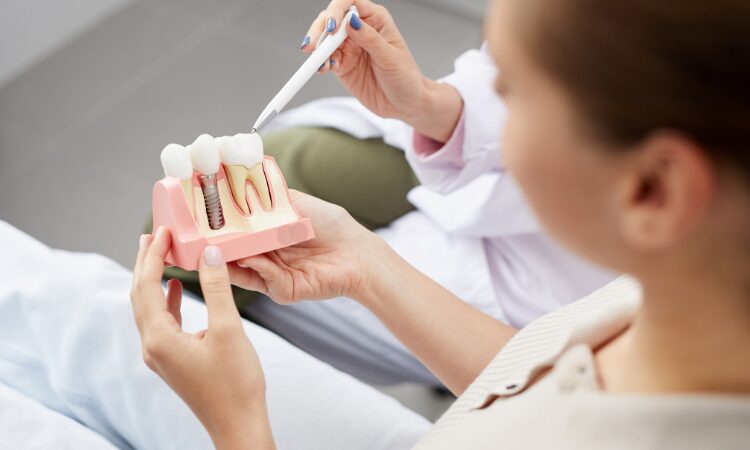
Osseointegration is the process by which a titanium dental implant fuses directly with your living jawbone. The word comes from the Latin word for bone, “os,” and “integration,” which describes joining together. Unlike other tooth replacement options, implants actually become part of your body.
When Dr. Sinclair or Dr. Reichley places an implant in your jaw, your bone cells gradually grow around the titanium surface. Over time, they create a strong, durable bond that holds the implant securely in place. This bond makes implants stable and reliable.
Osseointegration is the foundation of long-term implant success. It’s what allows your new tooth to handle the forces of chewing without shifting or loosening.
How the Osseointegration Process Works
The process begins immediately after the implant is placed. The body doesn’t recognize the titanium as a foreign object. Instead, it treats it like a natural part of the jaw. Bone cells attach to the implant’s surface and grow around it.
The implant needs time to integrate fully with the bone. This healing phase typically takes anywhere from 2 to 4 months. In some cases, it can take up to 6 months, depending on factors like bone quality and the implant’s location.
During this time, the implant is not ready for heavy chewing. That is why Dr. Sinclair and Dr. Reichley place a temporary restoration so you can function normally while your mouth heals.
The implant surface matters. Roughened surfaces have been shown to create a stronger connection to bone tissue than smooth surfaces. They provide a larger surface area for bone cells to adhere to. This is why modern implants use advanced surface treatments to accelerate healing and improve success rates.
Why Bone Quality Matters
Osseointegration success depends heavily on jawbone quality. Dense, healthy bone provides the best environment for implants to heal. If your bone is softer or less dense, osseointegration can take longer, and your dentist may need to adjust the treatment plan.
This is where Dr. Sinclair and Dr. Reichley’s expertise comes in. Before any implant surgery, they use 3D imaging and CBCT scans to evaluate your bone structure in detail. They look at bone height, width, and density to plan the precise placement of each implant.
This careful planning is essential. When implants are placed correctly, they have a documented success rate above 95%. A 40-year study cited by the American Dental Association found a 95.6% implant survival rate, making implants one of the most reliable restorative procedures in modern dentistry.
The Role of the Implant Specialist
Not every dentist has the advanced training to place and restore dental implants at the highest level. Dr. Mark Reichley is a Fellow of the International Congress of Oral Implantologists (ICOI). This means he has completed over 100 hours of implant education and mentors other professionals in the field.
Dr. Cappy Sinclair combines his background as an art conservator with advanced training in functional and esthetic dentistry. He studies under world-renowned leaders and now leads a study club to teach fellow dentists these same principles. This unique blend of artistry and science allows him to create smiles that are both beautiful and functional.
What Affects Osseointegration Success?
Several factors can influence how well your implants integrate with your jawbone.
- Primary Stability: When the implant is first placed, it needs to be stable in the bone. Insertion torque of at least 35 Ncm is generally recommended to achieve this initial stability.
- Micromotion: If the implant moves more than 150 micrometers during healing, it can prevent integration and lead to fibrous tissue formation instead of bone.
- Infection Control: The surgical site must be free of infection, exudate, and other contaminants. This is why your dentist may recommend an antimicrobial mouth rinse before surgery.
- Systemic Health: Conditions like uncontrolled diabetes and habits like smoking can impair healing and interfere with osseointegration. Patients who avoid smoking and maintain good overall health achieve the best outcomes over time.
How You Can Support Osseointegration
Your role in the process is just as important as your dentist’s. Following these tips can help you achieve a successful outcome:
- Take Prescribed Medications: Your dentist may prescribe antibiotics to reduce infection risk. Take them as directed.
- Maintain Good Oral Hygiene: Brush and floss carefully around the implant site to keep it clean.
- Avoid Hard and Sticky Foods: These can put unnecessary pressure on your healing implants.
- Do Not Smoke: Smoking is one of the most significant risk factors for implant failure. It restricts blood flow and slows healing.
- Attend Follow-Up Appointments: Regular check-ups let your dentist monitor healing and catch issues early.
Long-Term Benefits of Osseointegration
Once osseointegration is complete, your implant becomes a permanent part of your jaw. The bond is so strong that it can last for decades. With proper care, many implants last a lifetime.
The benefits extend beyond stability. Implants also preserve bone density by providing the stimulation that natural tooth roots once provided. This prevents bone loss and maintains the natural shape of your face. Traditional dentures and bridges can’t do this.
A well-integrated implant supports your adjacent teeth, improves bite function, and enhances overall oral health.
Why Choose Coastal Cosmetic & Implant Dentistry?
Dr. Cappy Sinclair and Dr. Mark Reichley are leaders in implant dentistry in Virginia Beach. They combine advanced technology, precise surgical planning, and years of experience to deliver predictable results.
They provide comprehensive implant services from start to finish. You don’t have to visit multiple offices for different parts of the process. Everything is done under one roof, ensuring consistent, high-quality care.
Ready to learn more about dental implants? Contact our Virginia Beach office today at 757-656-6368 or request an appointment online.